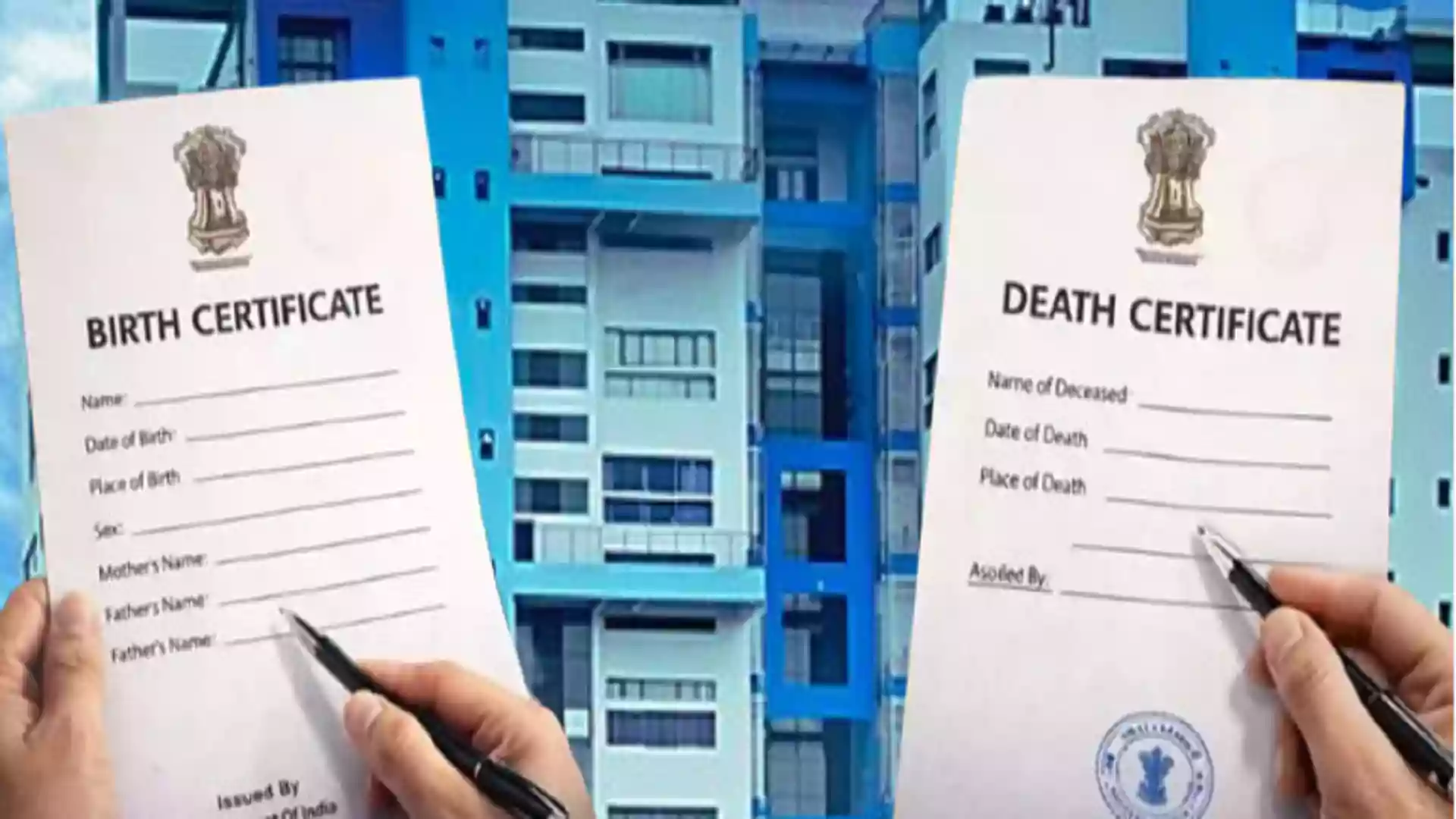
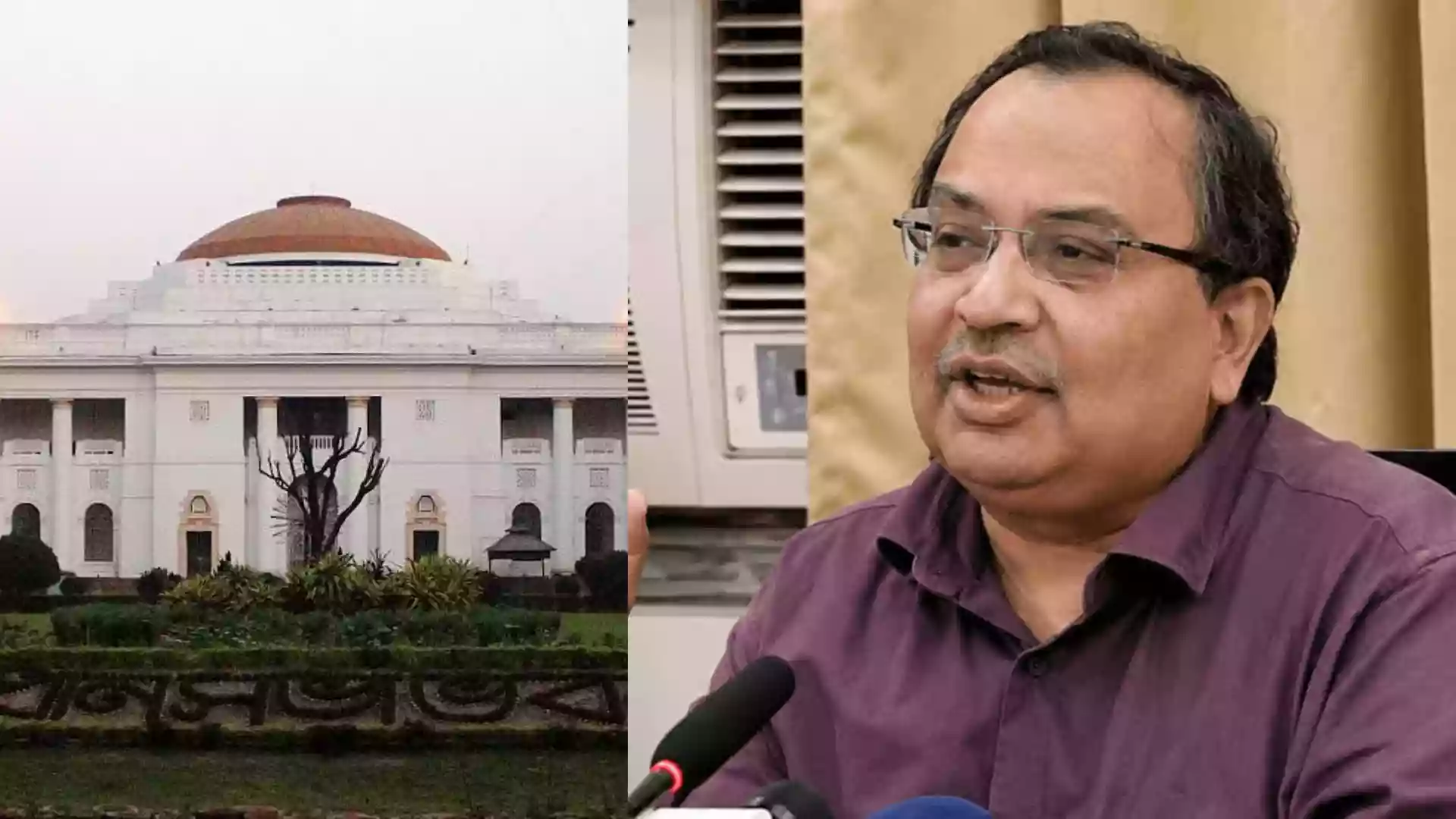
Municipalities & panchayat heads won't issue birth and death certificates anymore: Bengal Govt
.gif)

Download Mobile App 






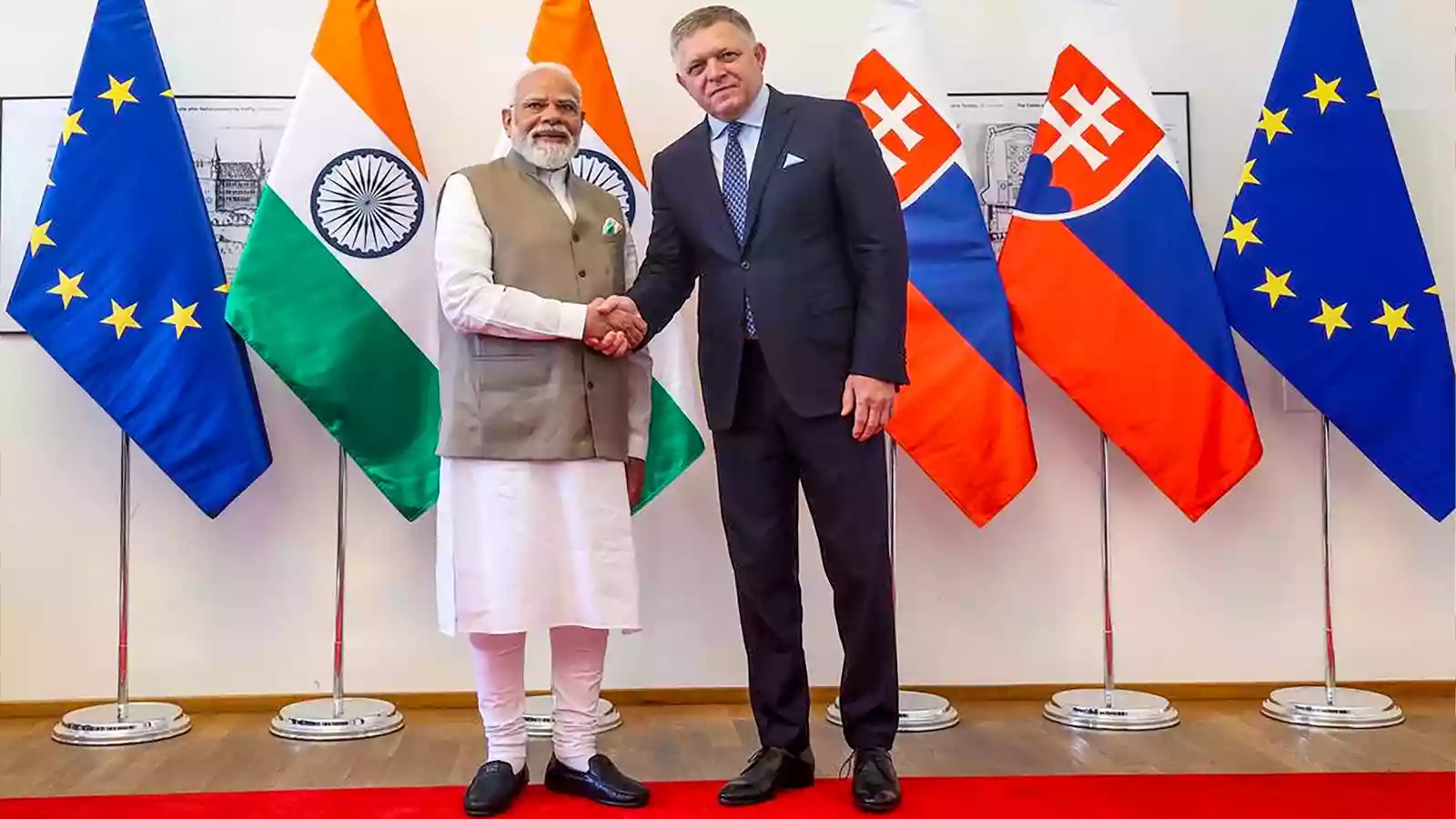
Slovakia has formally extended its official endorsement for India's long-standing bid to secure a permanent seat within a reformed and structurally modernized United Nations Security Council (UNSC). The significant geopolitical backing was codified in a joint bilateral statement released following extensive high-level delegation talks between Indian Prime Minister Narendra Modi and his Slovak counterpart, Robert Fico, in Bratislava on Monday. The historic state visit—marking the very first time a sitting Indian Prime Minister has travelled to Slovakia since the Central European nation achieved independence in 1993—culminated in the rapid elevation of bilateral relations to a consolidated "Comprehensive Partnership."
The joint declaration issued by the two state leaders strongly emphasized an urgent, contemporary need to overhaul global governance structures and expand the 15-member elite Security Council across both its permanent and non-permanent legislative categories. Leaders Modi and Fico collectively asserted that the foundational bodies of the United Nations must undergo deep structural evolution to become more inclusive, representative, and reflective of modern, multipolar geopolitical equations. Beyond the halls of the UN, Bratislava reinforced its highly constructive approach toward smoothing India’s integration into the Nuclear Suppliers Group (NSG), further validating New Delhi's growing status as a responsible, mainstream nuclear power.
The strategic upgrade in relations paves the way for a highly robust roadmap designed to optimize multi-sectoral cooperation spanning technical, commercial, security, and industrial avenues. Crucially, the two countries signed a pivotal Letter of Intent on Defence Cooperation, signaling an aggressive push to establish joint ventures in military production, defense research and development, and localized capacity building. The nations also prioritized digital defense, agreeing to form mutual shield mechanisms to safeguard critical digital infrastructure from evolving quantum-computing cryptographic threats while pushing for the early adoption of the India-EU Free Trade Agreement.


.webp)
.webp)

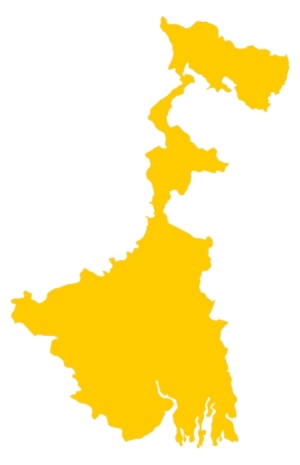 West Bengal
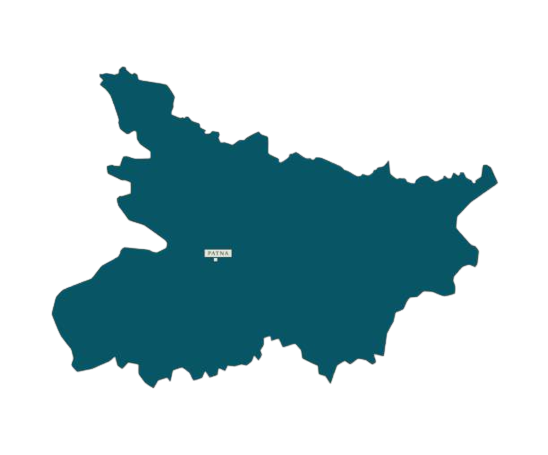 Bihar
Bihar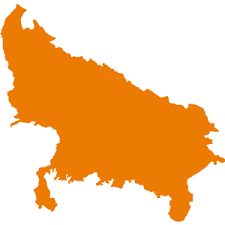 Uttar Pradesh
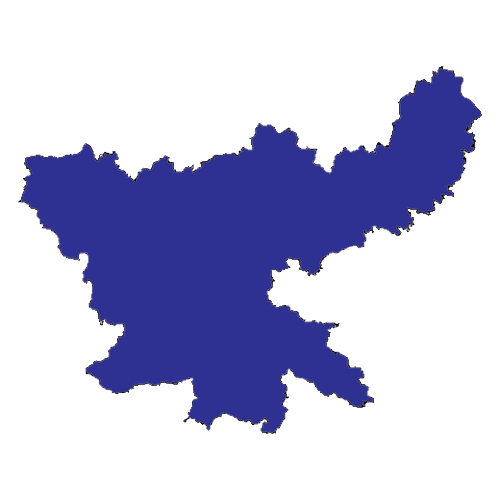 Jharkhand